Diagnosing faults in insulation using deep neural networks
Insulation is used in all electrical equipment to prevent short-circuit and other network faults. Insulation defects can lead to small electrical discharges which partially cross the insulation (called partial discharge, or PD). If the defect is not repaired, the rate and size of PDs will increase over time, and eventually lead to a full breakdown of the equipment. Utilities need to know what type of defect is causing the PD, in order to plan the correct repair.
The Data Science
The standard approach to online PD diagnosis is to collect samples of PD data, calculate a set of features, and use one or more classifiers to diagnose the defect. The typical size of a feature vector is very large (50 to 100 features), and the relationship of each feature to the diagnosis is not very clearly understood.
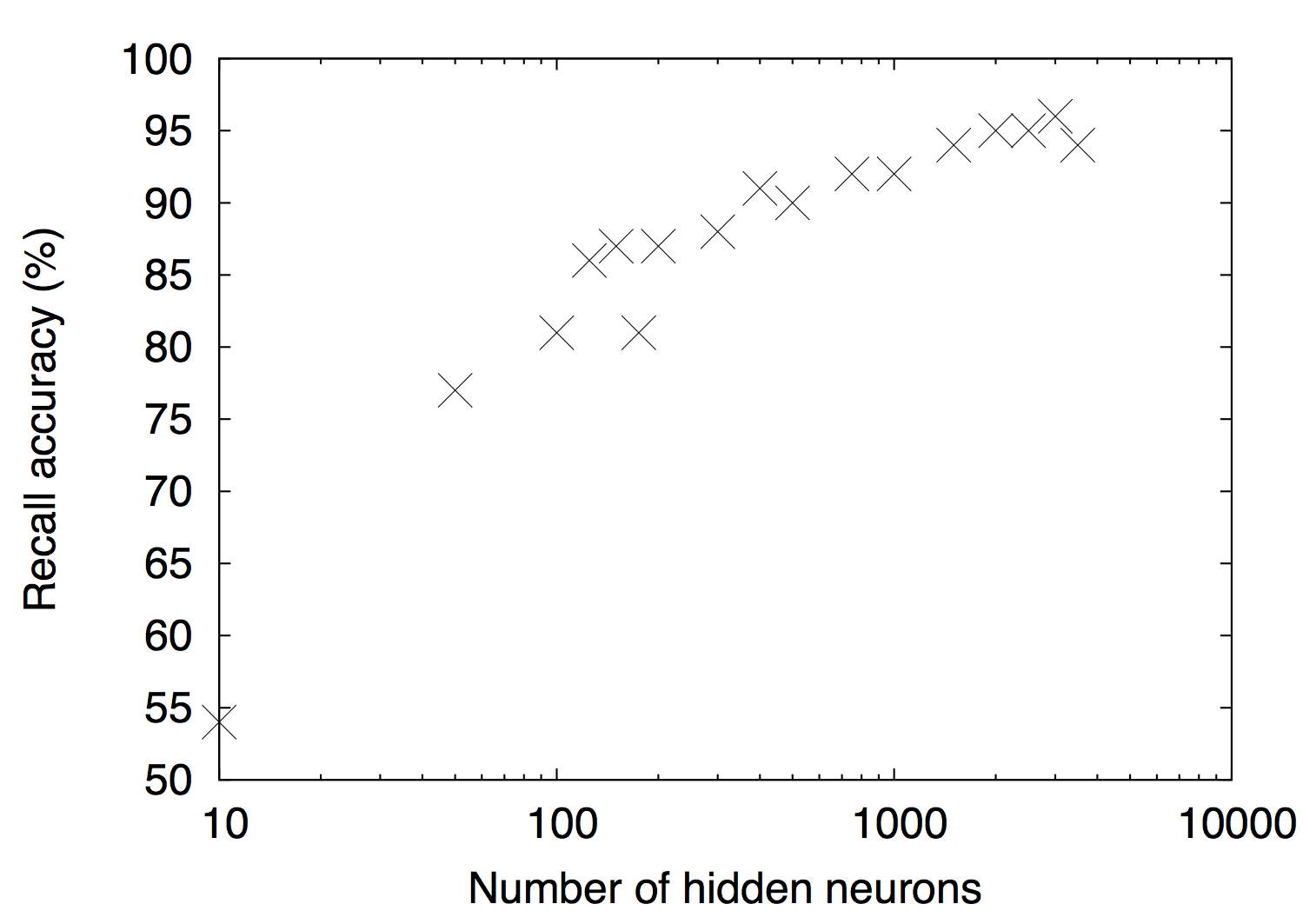
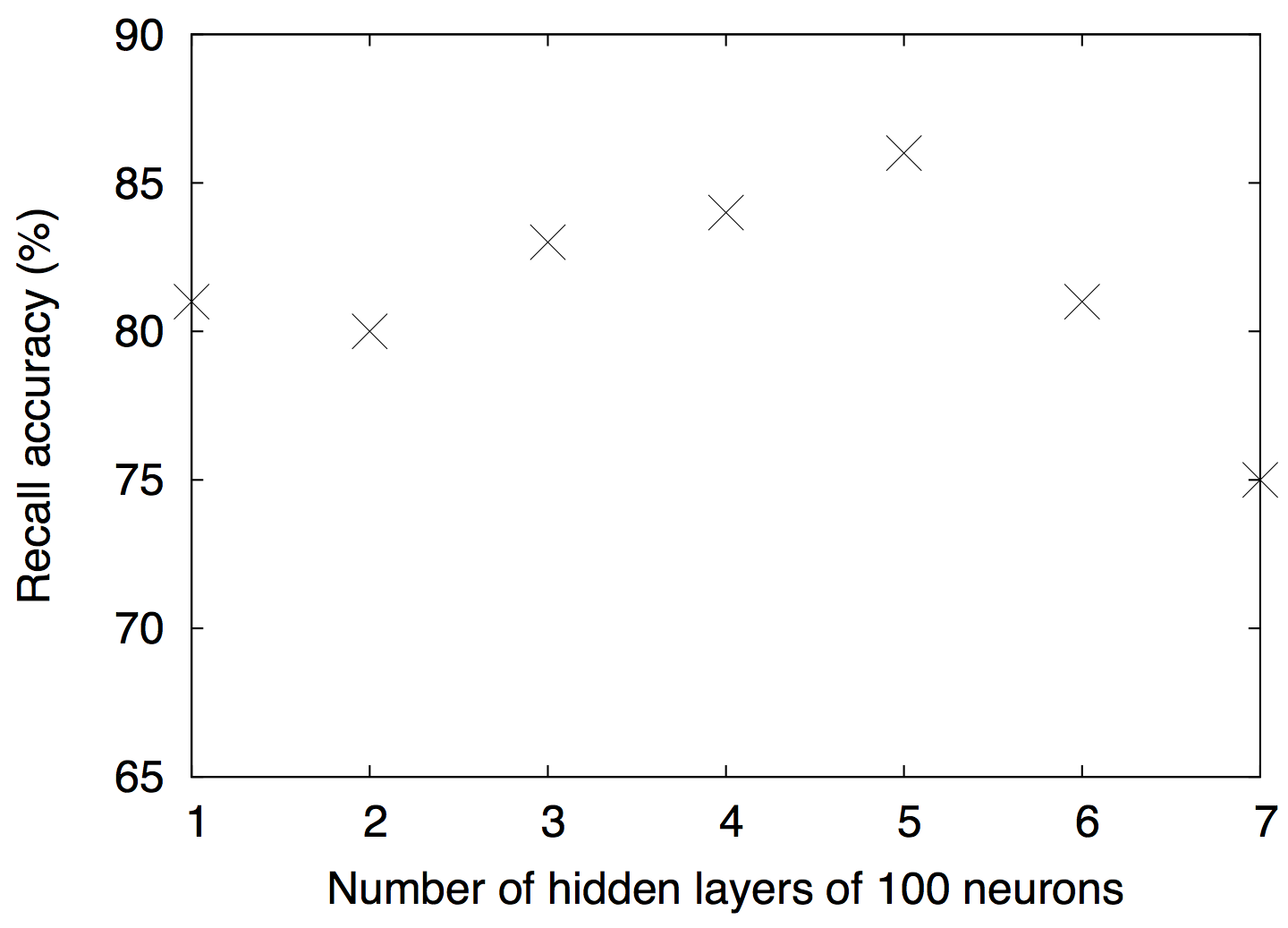
In this research, I used a deep belief network approach to increase the accuracy of the diagnosis. As a secondary effect, I could inspect the features learned by the first layer of the deep network, and compare them against the typical features derived from expert judgement.
Results
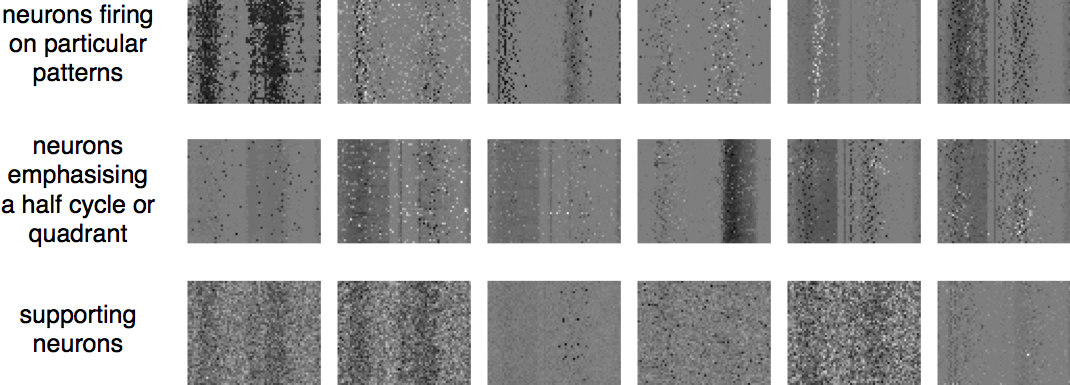
The weighting of each neuron was visualised, to see which parts of the PD image it was responding to. This showed that some neurons emphasised particular quadrants of the image, which is similar to the expert-derived features. Other neurons responded to precise patterns associated with particular defects. This was particularly interesting, because it is the approach that a human expert would take to data analysis, but it is very different from the typical features calculated for diagnosis by shallow learning.
Resources
The paper detailing this work: