keywords: forecasting, neural nets, SVMs, ensembles, metrics
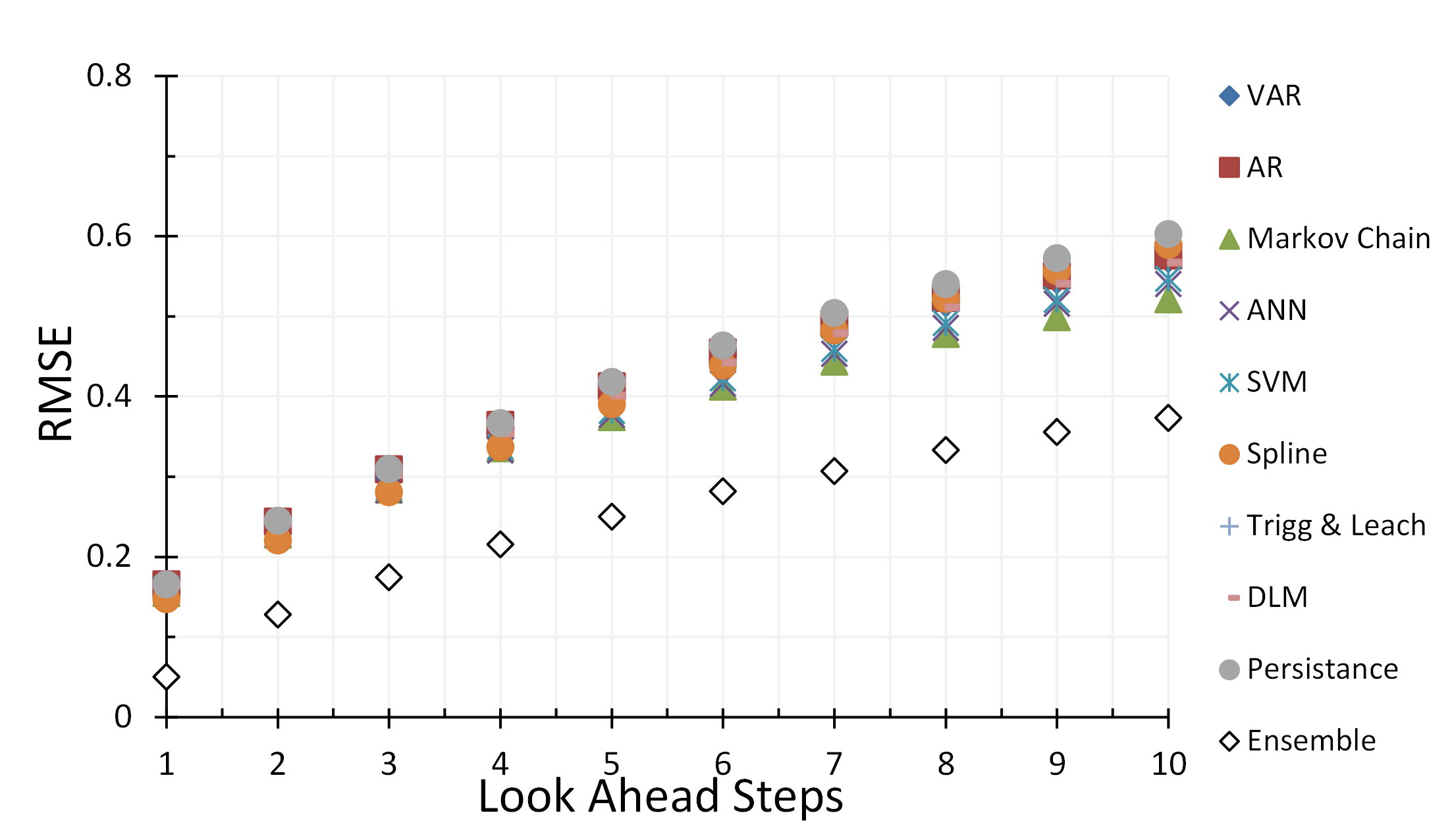
Engineers need to periodically access offshore wind turbines to perform maintenance. This work developed a suite of wave height forecasters to predict whether waves will stay below the access limit, and an improved metric for assessing the strength of a forecaster.
keywords: predictive analytics, particle filtering, Bayesian, uncertainty
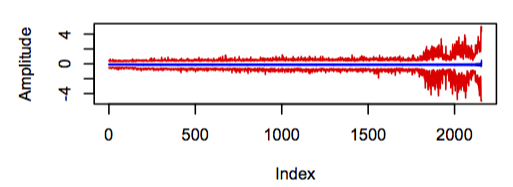
Transformers are the most expensive components of power networks. This
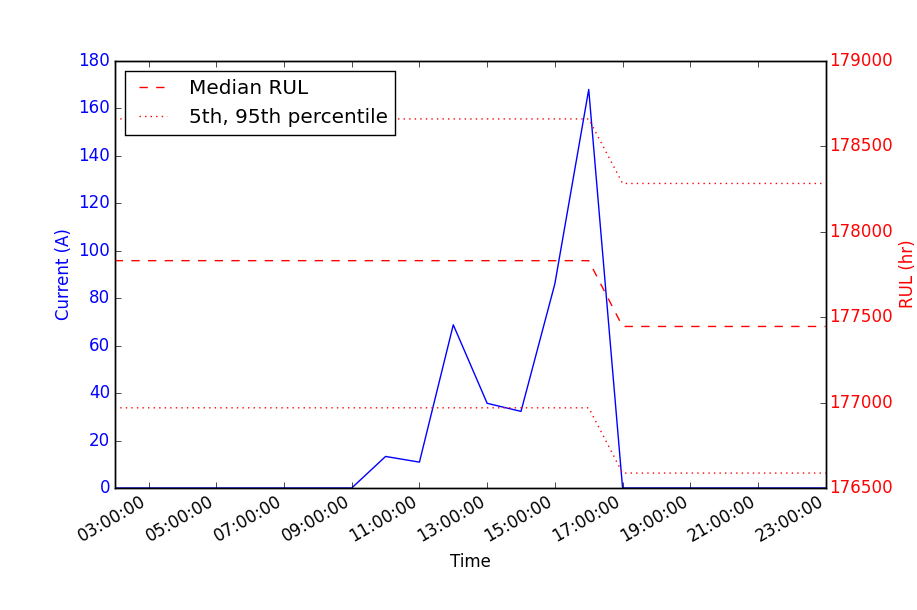
research resulted in a probabilistic model for predicting remaining
transformer life, based on the ambient conditions it operates in. This can
be used to speculate about the effects of emergency overloading, as well as
predicting normal behaviour.
keywords: deep learning, neural nets, feature analysis
Insulation is used in all electrical equipment to prevent short-circuit
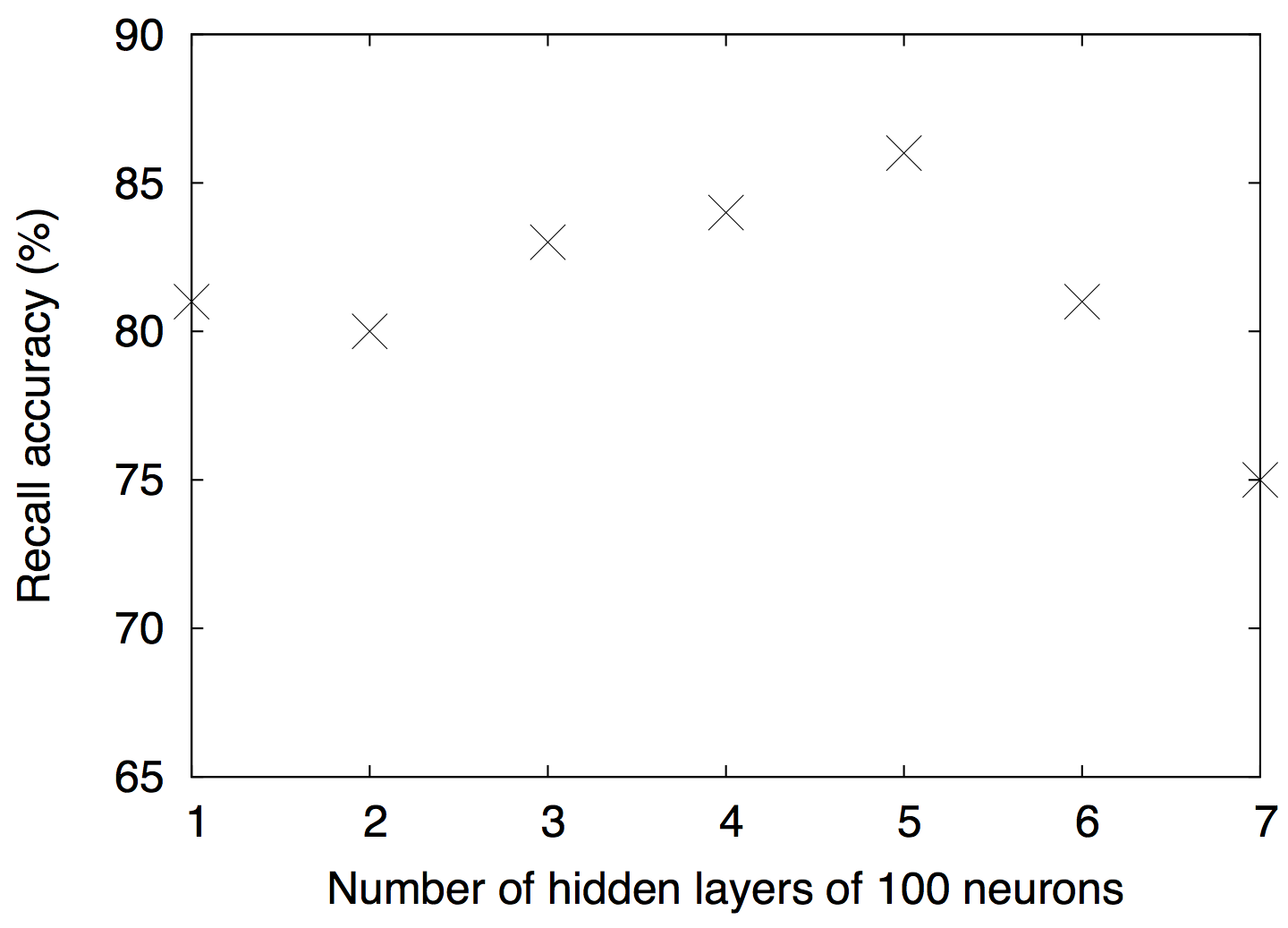
faults. This work improved the accuracy of diagnosis of insulation defects
by using a deep approach. It also led to insights about important parts of
the data, through a comparison of features learned by the deep network and
typical engineered features.
keywords: rule induction, decision trees, majority voting, data reuse
The data used to diagnose insulation defects can be distorted by harmonics
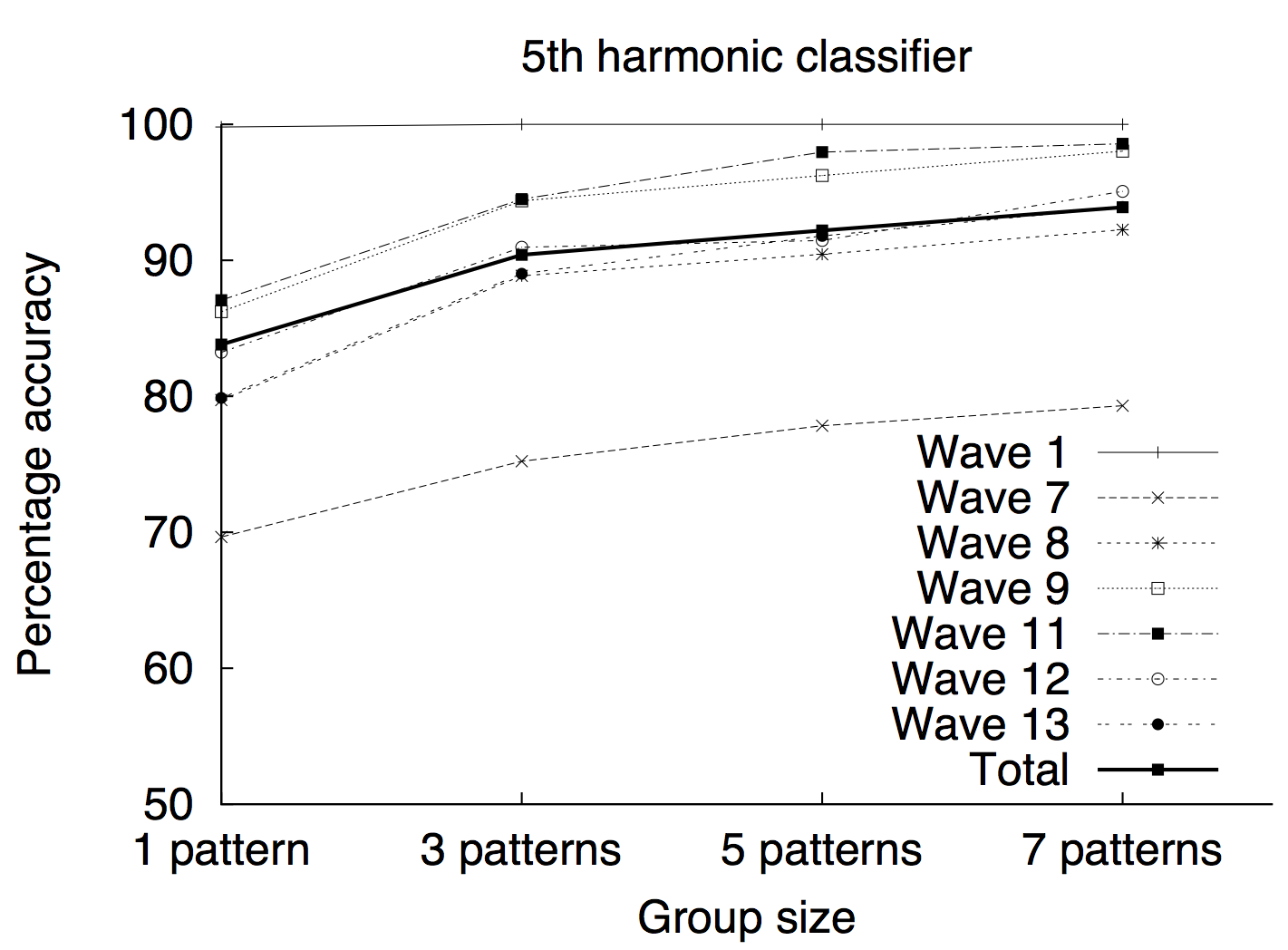
on the power network. This work proposed an alternative to costly
harmonic monitoring, by diagnosing the presence of harmonics from the same
condition data. This gives a clearer picture of equipment health,
separating harmonic effects from defect effects.
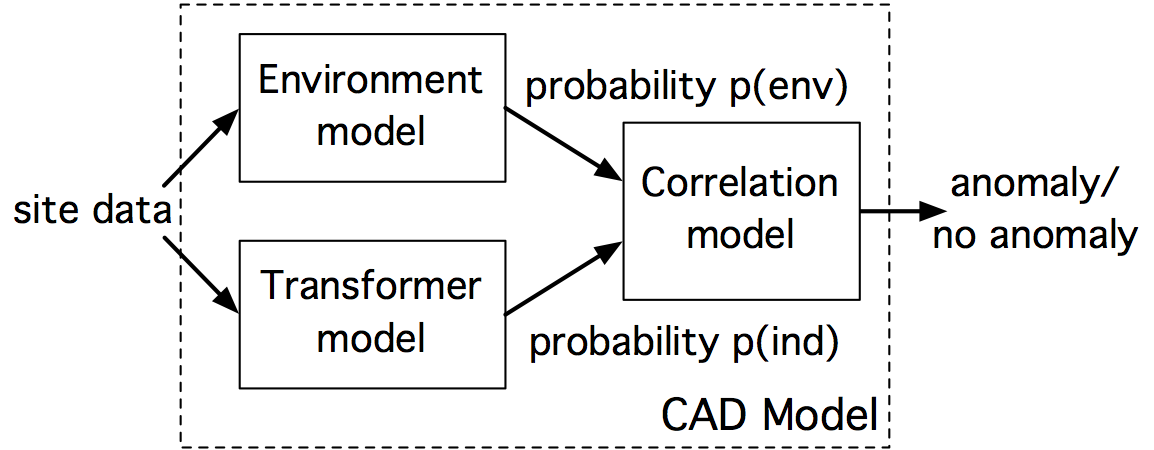
keywords: correlation, anomaly detection, reducing false positives
Older transformers develop a signature pattern of behaviour that is specific
to each one. Anomaly detection is more useful than diagnostics in this case,
since it's more important to spot changes in behaviour than to repeatedly
classify minor problems. This work applied Conditional Anomaly Detection to
keep two transformers in service for 18 months, while minimising false
positives.
keywords: features, k-means, neural nets, decision trees, SVMs, kNN
A growing number of people are interested in data science, but academic
papers and formal training can be difficult ways to break in. My personal
site shows how to get started with data science
in R, through a series of articles covering feature extraction and
selection, clustering, and classification using multiple techniques. These
are demonstrated on an open dataset of faults within bearings.
keywords: regression, classification, prognostics, diagnostics
I was asked to contribute to the Smart
Grid Handbook by writing a chapter on "Data Analytics for Transmission
and Distribution". I drew on my experience of developing and deploying data
analytics in this field to highlight the increasing role that online
analytics can play, and some lessons learned from each case study.